Welcome to the delightful world of French crepes! If you've ever wandered the streets of Paris, savoring the aroma of freshly made crepes from a street vendor, you know the magic these thin, delicate pancakes hold. Crepes are more than just a breakfast item; they're a versatile canvas for sweet and savory fillings, perfect for any meal or occasion. Making authentic French crepes at home might seem intimidating, but with the right techniques and a bit of practice, you can recreate that Parisian charm in your own kitchen.
Click For More Resourceful Information
In this comprehensive guide, we'll dive deep into everything you need to know about crafting perfect crepes. From their fascinating history to a step-by-step recipe, tips for troubleshooting, and creative variations, this post is designed to equip even beginners with the confidence to flip crepes like a pro. Authentic French crepes are characterized by their thin, lacy texture—crispy edges with a soft, pliable center. Unlike American pancakes, which are thick and fluffy, crepes are made from a simple batter of flour, eggs, milk, and butter, often flavored subtly with vanilla or rum for that traditional touch.
Why make crepes at home? It's economical, customizable, and incredibly satisfying. Plus, it's a fun activity for family or friends—set up a crepe bar with various fillings and let everyone create their own masterpiece. Whether you're craving a sweet treat like Nutella and bananas or a savory option with ham and cheese, crepes adapt effortlessly. By the end of this 2500-word journey (yes, we've packed in all the details!), you'll have the knowledge to impress your loved ones with homemade crepes that rival those from a French creperie.
Let's start with the origins to appreciate this culinary gem fully.
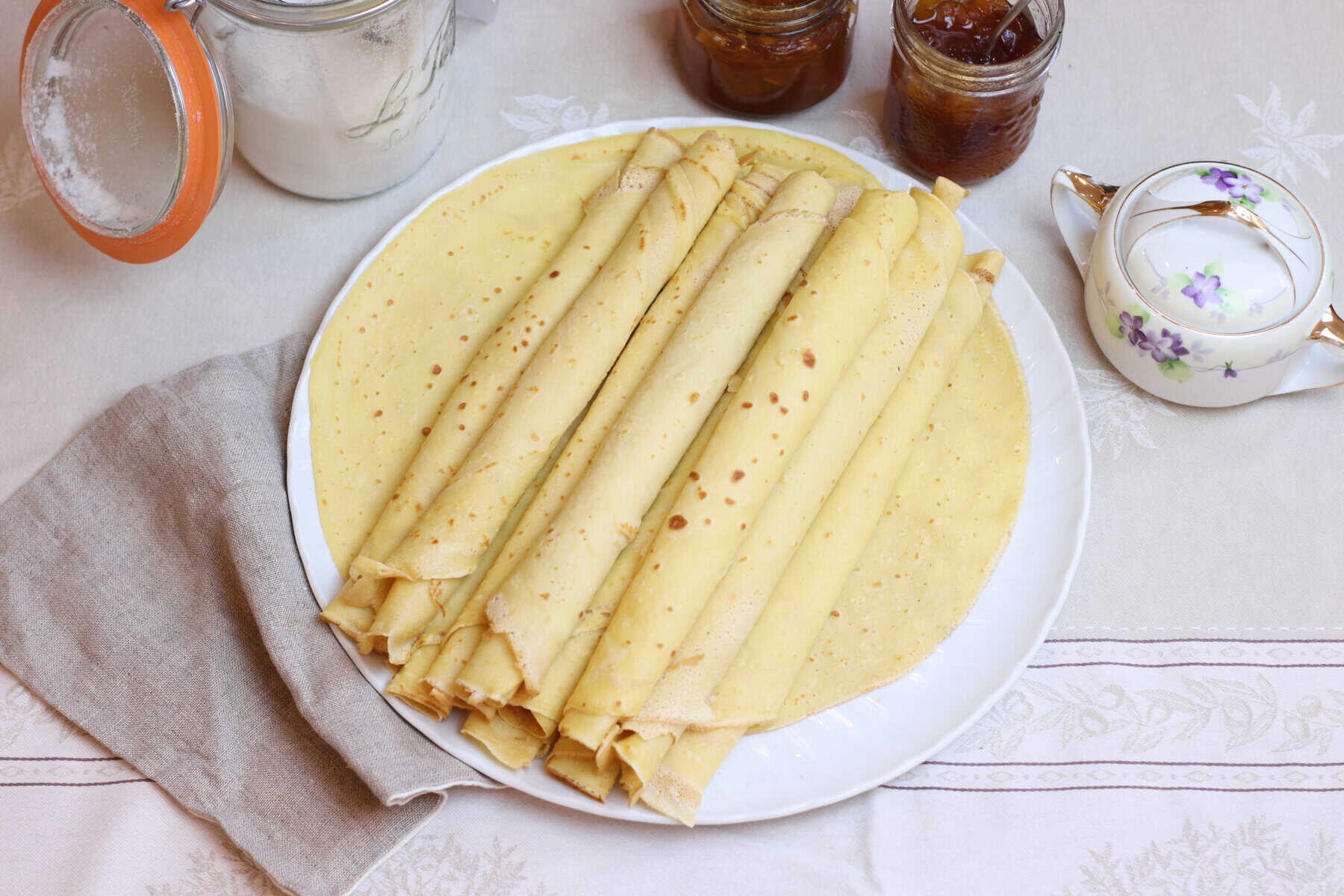
The History of French Crepes
The story of crepes is as rich and layered as the pancakes themselves. Originating in Brittany, a region in northwestern France, crepes date back to the 13th century. Legend has it that a happy accident led to their creation: a housewife accidentally spilled buckwheat porridge onto a hot flat stone, resulting in a thin, crispy pancake. Buckwheat, introduced to Europe around that time, thrived in Brittany's wet climate where wheat struggled, making it a staple for the poor who couldn't afford finer grains.
Initially, crepes were savory and made with buckwheat flour, known as "galettes" in Brittany. These hearty versions were filled with simple ingredients like eggs, ham, or cheese, serving as a nutritious meal for farmers and laborers. The sweet wheat-flour crepes we often associate with France today emerged later, in the 19th century, as white flour became more accessible and affordable. The word "crepe" itself derives from the Latin "crispa," meaning curled or wrinkled, reflecting the pancake's delicate, folded appearance.
Crepes hold cultural significance beyond their humble beginnings. In France, February 2nd is celebrated as "La Chandeleur" or "Le Jour des Crepes" (The Day of Crepes), coinciding with Candlemas. This tradition traces back to 472 AD when Pope Gelasius I offered crepes to pilgrims in Rome. The round shape symbolizes the sun or a coin, heralding prosperity and the return of spring. Folklore adds whimsy: flipping a crepe with your right hand while holding a coin in your left ensures good luck for the year. Some even hide the first crepe in a drawer for fortune.
Click For More Resourceful Information
As crepes spread across France, they evolved. In Paris, street vendors popularized them in the early 20th century, turning them into a fast-food favorite. Iconic dishes like Crepes Suzette—flambeed with orange liqueur—were invented in 1895, allegedly by accident when a waiter set a dish aflame in front of a princess named Suzette. Today, crepes are global, but Brittany remains the heartland, with specialized "galetieres" (crepe pans) dating back centuries.
This history underscores crepes' versatility and enduring appeal. They're not just food; they're a piece of French heritage, adaptable yet rooted in tradition. Now, let's gather what you'll need to bring this history to life in your kitchen.
Ingredients for Authentic Crepes
Authenticity starts with quality ingredients. Traditional French crepes use a basic batter that's simple yet precise. Here's what you'll need for about 12-15 crepes:
- 1 ¾ cups (225g) all-purpose flour (or white wheat flour for a classic touch)
- 3 large eggs
- 2 cups (500ml) whole milk (cold for better texture)
- 3 tablespoons melted unsalted butter (plus more for cooking)
- ¼ teaspoon salt
- 1 tablespoon sugar (optional, for sweet crepes)
- 1 teaspoon vanilla extract (optional)
- 1 tablespoon rum or Grand Marnier (optional, for flavor)
For savory crepes, omit the sugar and vanilla, and consider adding herbs like diced chives. Buckwheat flour can replace half the all-purpose for a nutty, traditional Breton galette.
These ingredients are pantry staples, making crepes an accessible dish. The key is the ratio: roughly equal parts flour and liquid, with eggs for binding and butter for richness. Use fresh eggs and full-fat milk for the best texture—skim milk works but results in less tender crepes.

Essential Equipment
You don't need fancy gadgets, but the right tools make a difference. A good non-stick crepe pan (8-10 inches) is ideal—its low sides help with flipping. If unavailable, a regular skillet works.
Other essentials:
- Blender or whisk for smooth batter
- Ladle or measuring cup (¼ cup) for portioning
- Spatula (silicone for non-stick pans)
- Strainer to remove lumps
- Bowl for resting batter
Invest in a crepe spreader if you're serious, but a tilt of the pan suffices for home cooks.
Step-by-Step Guide to Making Crepes
Now, the heart of the matter: let's make crepes!
- Prepare the Batter: In a blender, combine flour, salt, sugar (if using), eggs, melted butter, vanilla, and rum. Add milk gradually while blending to avoid lumps. Blend for 15-20 seconds until smooth. Alternatively, whisk in a bowl: make a well in the flour, add eggs and butter, then whisk in milk. Strain through a sieve for perfection.
- Rest the Batter: Refrigerate for at least 30 minutes (up to overnight). This relaxes the gluten, ensuring tender crepes.
- Heat the Pan: Over medium heat, brush with butter or oil. It should sizzle but not smoke.
- Pour and Swirl: Ladle ¼ cup batter into the center. Quickly tilt and swirl to spread thinly.
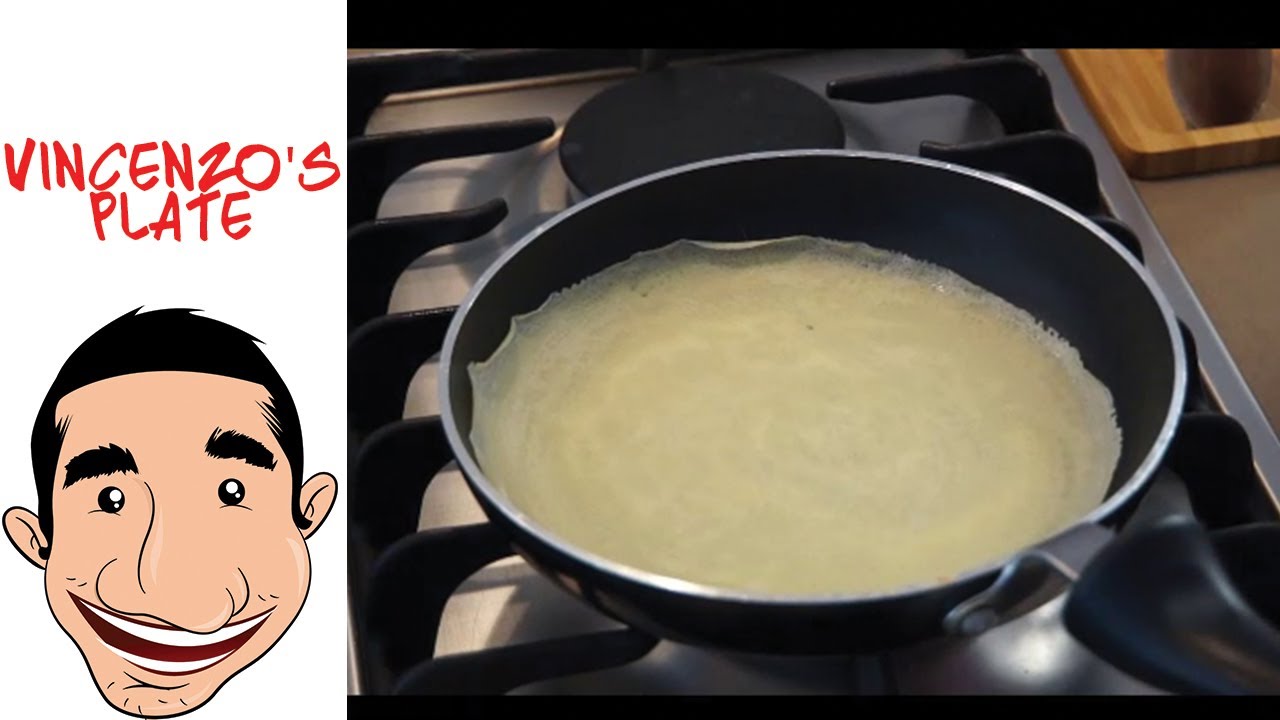
- Cook the First Side: Cook 1-2 minutes until edges crisp and bubbles form. The top should dry.
- Flip and Finish: Loosen edges with a spatula, then flip. Cook 30 seconds more.
- Stack and Repeat: Stack on a plate, covering to keep warm. Adjust heat as needed.
Practice the first few—they improve as you go!
Tips for Perfect Crepes
Achieving perfection takes tweaks. Rest the batter overnight for lightness. Use beer for lacy texture due to carbonation. Heat milk slightly to blend better.
Common issues: Lumpy batter? Blend longer or strain. Tearing? Pan too hot or batter too thick—thin with milk. Sticking? More butter and proper heat.
Experiment with add-ins like cocoa for chocolate crepes. For gluten-free, use buckwheat fully.
Sweet and Savory Variations
Crepes shine in variety. Sweet: Nutella and bananas, dusted with powdered sugar. Apple cinnamon: Saute apples with cinnamon. Crepes Suzette: Flambe with orange sauce.

Savory: Ham and cheese (classic "complete"). Chicken cordon bleu: Shredded chicken, ham, Swiss. Mushroom and spinach for veggies.

Mix sweet and savory, like strawberry ricotta.
Serving Suggestions
Serve warm, folded or rolled. For sweet, add whipped cream or ice cream. Savory pairs with salad. Store stacked with wax paper, reheat gently.

Conclusion
Mastering authentic French crepes at home is rewarding and fun. With practice, you'll create memories around this timeless dish. Bon appétit—now go flip some crepes!
Comments
Post a Comment