If you have hypothyroidism, you know the frustration all too well. Your thyroid is underactive, your metabolism feels like it’s on holiday, and the weight just won’t shift no matter how much you move or cut calories. Sound familiar? Many of us in the same boat have wondered whether the keto diet could be the answer for shedding those stubborn pounds while managing an underactive thyroid.
Today we’re diving deep into whether keto can actually help with weight loss when you have hypothyroidism. We’ll look at the science (without the hype), the potential benefits and risks, how to do it safely, and practical tips that fit real life. This isn’t medical advice – always chat with your GP or endocrinologist first – but it’s a honest, straightforward guide based on what we know right now.

Understanding Hypothyroidism and Why Weight Loss Feels Impossible
Hypothyroidism happens when your thyroid gland in the neck doesn’t produce enough hormones (mainly T4 and the active T3). These hormones control your metabolism, energy levels, mood, and even how your body uses fat and carbs. When levels drop, everything slows down. Explore New Resource
Common symptoms include tiredness that coffee can’t fix, dry skin, hair loss, feeling cold, constipation, and yes – unexplained weight gain or difficulty losing it. Even on levothyroxine (the usual medication), many people still struggle with the scales because the underlying metabolism issue lingers.
According to the NHS, hypothyroidism affects about 2 in 100 people in the UK, and it’s more common in women. The standard treatment click is hormone replacement, but diet and lifestyle play a supporting role. No food “cures” it, but the right choices can make you feel better and support healthy weight management.

What Exactly Is the Keto Diet?
The ketogenic (keto) diet is a high-fat, very low-carb way of eating that pushes your body into ketosis. In ketosis, instead of burning glucose from carbs for fuel, your liver turns fat into ketones – an alternative energy source. Typical macros: 70-80% fat, 15-20% protein, and just 5-10% carbs (often under 50g net carbs per day).
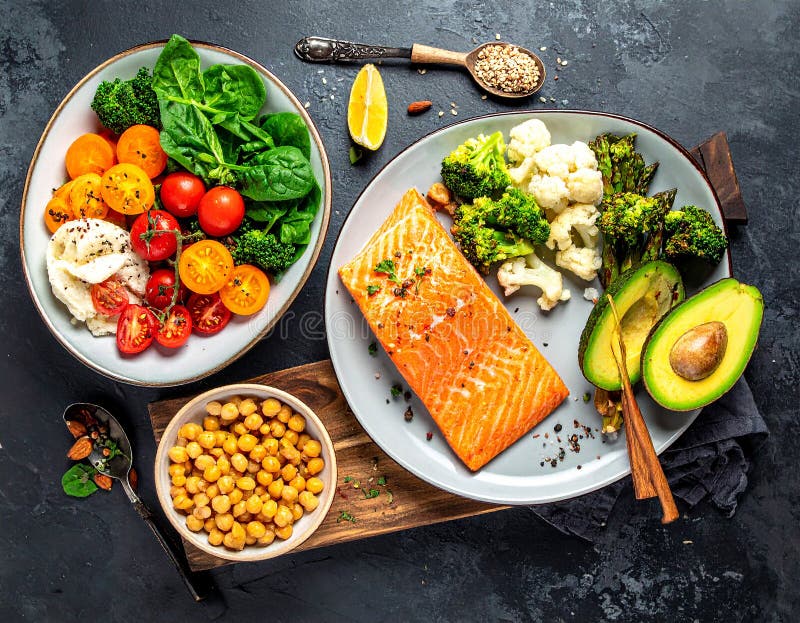
Foods you’ll eat plenty of: avocados, olive oil, butter, fatty fish like salmon, eggs, cheese, nuts, seeds, and non-starchy veg like spinach, broccoli, and courgette. You’ll cut right back on bread, pasta, rice, potatoes, sugary foods, and most fruits.
Many people lose weight quickly on keto because it reduces hunger (thanks to stable blood sugar and ketones), and the body taps into stored fat. But does this work the same way when your thyroid is sluggish?

Can Keto Really Help with Weight Loss in Hypothyroidism?
Here’s the balanced truth: some people with hypothyroidism do lose weight on keto, especially in the short term. A small 2022 study found participants with thyroid issues lost more weight on keto than on a higher-carb diet over a few weeks. The low-carb approach can improve insulin sensitivity and reduce inflammation – both helpful when hypothyroidism often comes with Hashimoto’s (an autoimmune cause).
Proponents like functional medicine experts point out that keto may lower overall inflammation, which can calm an overactive immune system attacking the thyroid. Weight loss itself can improve how your body uses thyroid hormones.
However, mainstream sources like Healthline and Medical News Today are more cautious. They note that keto isn’t typically recommended for hypothyroidism because very low carbs can affect thyroid hormone conversion. Carbohydrates help turn T4 into active T3, and drastic restriction may lower T3 levels while raising reverse T3 (the “brake” on metabolism). A pilot study on healthy people showed T3 dropped more on keto than on a balanced diet, even though weight loss was greater.
For many with hypothyroidism, the initial “keto flu” (fatigue, headaches) can feel worse when you’re already tired. Long-term strict keto might stress the adrenals too, raising cortisol and potentially making thyroid symptoms flare.
The bottom line? Keto can support weight loss for some, but it’s not a magic fix and needs careful monitoring. Many find a modified lower-carb approach (50-100g carbs) works better than strict keto under 30g.

Potential Benefits of Trying Keto with Hypothyroidism
- Faster fat loss – Ketosis encourages your body to burn stored fat, which is brilliant when your metabolism is slow.
- Better blood sugar control – Hypothyroidism often pairs with insulin resistance. Lower carbs can stabilise energy and reduce cravings.
- Reduced inflammation – Cutting processed carbs and sugars may ease autoimmune activity in Hashimoto’s.
- Improved mental clarity – Some report sharper focus once adapted to ketones (often called “keto clarity”).
- Appetite control – High fat and protein keep you full, making calorie deficit easier without feeling deprived.
Real-life stories on forums show women losing 5-10kg in the first few months, with better energy once thyroid meds are adjusted.
Risks and Things to Watch Out For
- Lower T3 levels: This can worsen fatigue, cold intolerance, or slow metabolism further. Regular blood tests (TSH, free T4, free T3) are essential – every 6-8 weeks when starting.
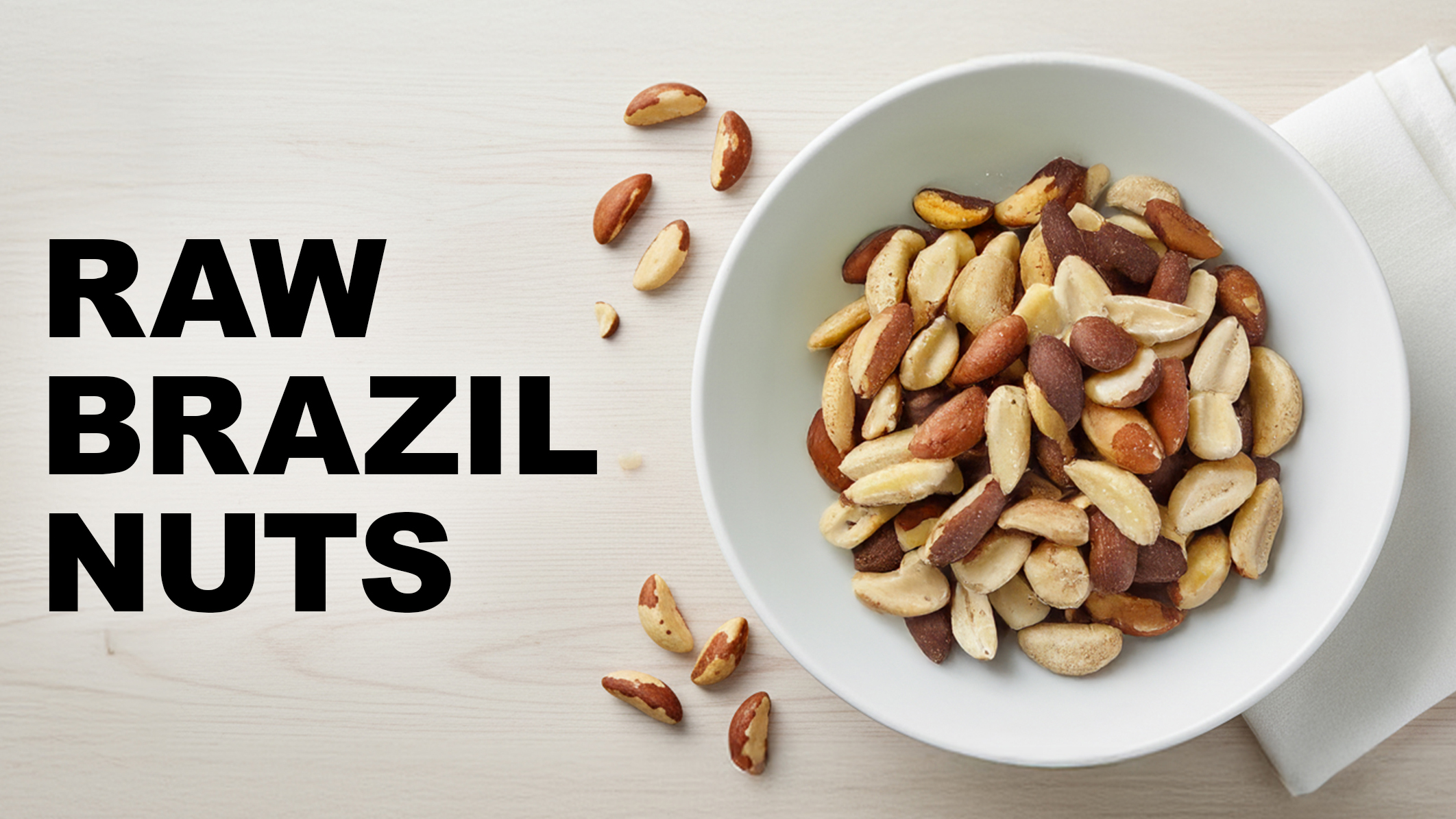
- Nutrient shortfalls: Thyroid loves selenium, zinc, iodine, and vitamin D. Strict keto can limit fruit and whole grains, so you must include Brazil nuts (for selenium – just 2-3 a day!), seafood, eggs, and leafy greens.
- Keto flu and adrenal stress: Extra tiredness in the first 1-2 weeks. Support with electrolytes (salt, magnesium, potassium) and perhaps more carbs on workout days (targeted keto).
- Heart and gut concerns: Click High saturated fat may not suit everyone; focus on healthy fats like olive oil, avocado, and fatty fish. Fibre from veg prevents constipation, already common in hypothyroidism.
- Not sustainable long-term for everyone: Many switch to a cyclical or low-carb Mediterranean style after initial weight loss.
Always get clearance from your doctor, especially if you have heart issues or take other meds. The NHS Eatwell Guide emphasises balance, so keto should complement, not replace, proper medical care.
How to Follow Keto Safely with Hypothyroidism
Start slow. Aim for 20-50g net carbs initially, but listen to your body. If energy tanks, add berries or a sweet potato.
Key thyroid-friendly rules on keto:
- Prioritise selenium-rich foods: 2-3 Brazil nuts daily.
- Include iodine sources: Seaweed (small amounts), fish, eggs (but don’t overdo if on medication).
- Eat plenty of non-starchy veg for fibre and micronutrients.
- Stay hydrated and add salt – hypothyroidism can affect fluid balance.
- Take thyroid medication on an empty stomach, 30-60 minutes before food.
- Monitor ketones (optional strips or blood meter) and symptoms.
- Consider a “cyclical keto” – 5 days strict, 2 days higher carb (100-150g) from veg and fruit to support thyroid conversion.
Supplements to discuss with your doctor: selenium, zinc, vitamin D, magnesium, and a good multivitamin if needed. Never self-dose high iodine.
Sample One-Week Keto Meal Plan (Thyroid-Supportive)
(Continue similarly for the week – focus on variety, plenty of greens, and fatty fish 2-3 times.)
Each day keeps carbs under 30-40g net while packing in nutrients your thyroid needs. Adjust portions for your calorie goals (usually 1500-1800 for weight loss).
Extra Tips for Success
- Track symptoms in a journal alongside weight and measurements.
- Strength train 2-3 times a week – builds muscle and boosts metabolism.
- Walk daily for gentle movement without stressing the body.
- Sleep 7-9 hours – crucial for hormone balance.
- Manage stress with meditation or yoga; high cortisol harms thyroid.
- Reassess every 4-6 weeks with bloodwork. Many people stay on a lower-carb lifestyle long-term rather than strict keto.
Frequently Asked Questions
Final Thoughts
The keto diet can be a powerful tool for weight loss when you have hypothyroidism – many people feel lighter, more energised, and in control after adapting. But it’s not for everyone, and it’s definitely not a replacement for your medication or medical guidance. The key is listening to your body, working with professionals, and focusing on nutrient-dense, anti-inflammatory foods that support your thyroid rather than fighting against it.
If you try it, start gently, track everything, and celebrate non-scale victories like better energy or looser clothes. You’ve got this – small, consistent changes add up to big transformations. Have you tried keto with thyroid issues? Share your experience in the comments – we’re all learning together.
Stay well, eat thoughtfully, and remember: your worth isn’t on the scales. Here’s to feeling your best in 2026 and beyond!
Comments
Post a Comment