Why I Absolutely Love Traditional European Food: A Culinary Journey Across the Continent
Hello there! If you're anything like me, food isn't just about filling your belly—it's about stories, memories, and that warm feeling you get from a really good meal. I've always had a soft spot for traditional European food. Growing up in Britain, I was surrounded by hearty roasts and fish and chips, but as I've travelled across the continent, I've fallen head over heels for the sheer variety on offer. From the sun-drenched flavours of the Mediterranean to the comforting stews of the north, European cuisine has something for everyone. In this post, I'll share why I adore it so much, diving into some of my favourite dishes, their histories, and what makes them special. Whether you're planning a trip or just fancy trying something new at home, stick around— this is going to be a tasty read!
European food is all about tradition, passed down through generations, using fresh, local ingredients. It's not flashy or overly complicated; it's honest and delicious. According to food experts, many of these dishes started as simple peasant meals, making the most of what was available. That's part of the charm—it's food with soul. And with Europe being so diverse, you can hop from one country to another and taste something entirely different each time. Let's kick things off with the incredible diversity that makes European cuisine so irresistible.
The Wonderful Diversity of European Cuisine
One of the main reasons I love traditional European food is its amazing variety. Europe isn't one big blob—it's a patchwork of cultures, climates, and histories, all reflected in what's on the plate. In the south, you've got olive oil, fresh herbs, and seafood galore, while up north, it's more about root vegetables, meats, and dairy. This mix keeps things exciting; no two meals feel the same.
Take a typical European food spread: imagine a table laden with crusty breads, cheeses, cured meats, and vibrant salads. It's not just about eating; it's a social thing, sharing plates with friends and family. I remember my first trip to a bustling market in France, where the stalls were piled high with everything from artisanal cheeses to freshly baked pastries. It was overwhelming in the best way possible!
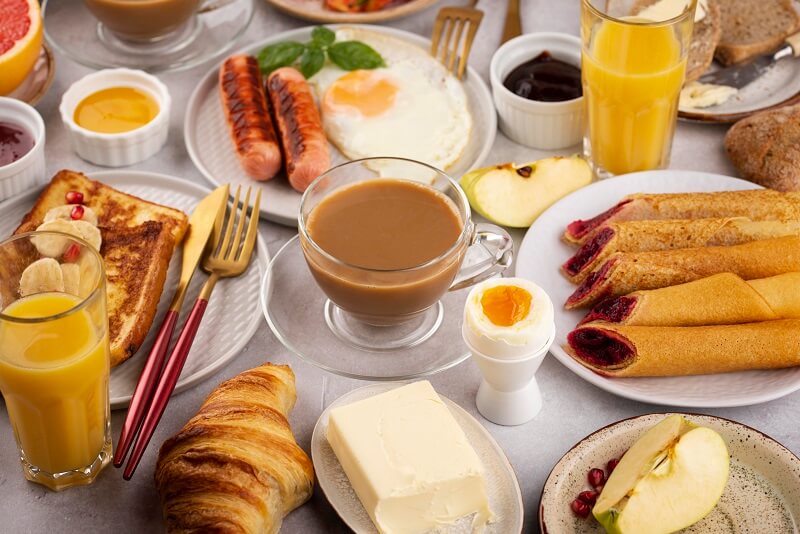
What draws me in is how these foods connect to the land. In Italy, for example, the tomatoes are sun-ripened and bursting with flavour, while in Scandinavia, preserved fish like herring harks back to long winters. Even within countries, regions have their own twists—think how Sicilian food differs from that in the Italian Alps. This diversity means there's always something new to discover, and it's why I keep coming back for more.
Italian Delights: Pasta, Pizza, and Passion
Ah, Italy—where food is practically a religion. Traditional Italian cuisine is one of my all-time favourites because it's so straightforward yet packed with taste. It's all about quality ingredients: ripe tomatoes, fragrant basil, creamy mozzarella, and, of course, pasta made from durum wheat.
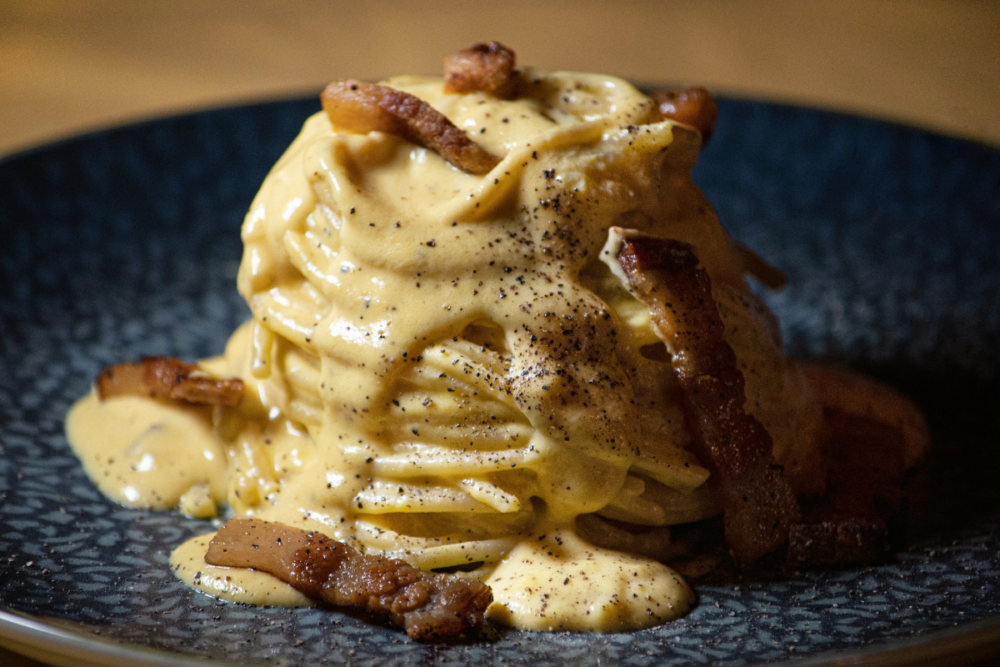
I particularly love spaghetti carbonara. It's a Roman classic with eggs, pecorino cheese, guanciale (that's cured pork cheek), and black pepper. No cream in sight—that's the authentic way! The first time I had it in Rome, it was like a hug in a bowl: creamy, salty, and utterly satisfying. What makes it special is the simplicity; it's quick to make but relies on perfect timing to get that silky sauce without scrambling the eggs.
Then there's pizza, born in Naples. A proper Margherita with its thin crust, San Marzano tomatoes, and buffalo mozzarella is worlds away from the takeaways we get back home. I like how Italian food celebrates seasons—summer means fresh caprese salads, while winter calls for hearty ragùs simmered for hours. It's food that makes you slow down and savour every bite. If you're keen to try, check out some authentic recipes from Italian food sites like Eatalian Cooks.
Beyond the classics, dishes like arancini—those fried rice balls stuffed with ragù or cheese—are perfect street food. They're crispy on the outside, gooey inside, and remind me of lazy afternoons wandering Sicilian streets. Italian food isn't just tasty; it's tied to family and tradition, which is why it holds a special place in my heart.
French Elegance: From Croissants to Coq au Vin
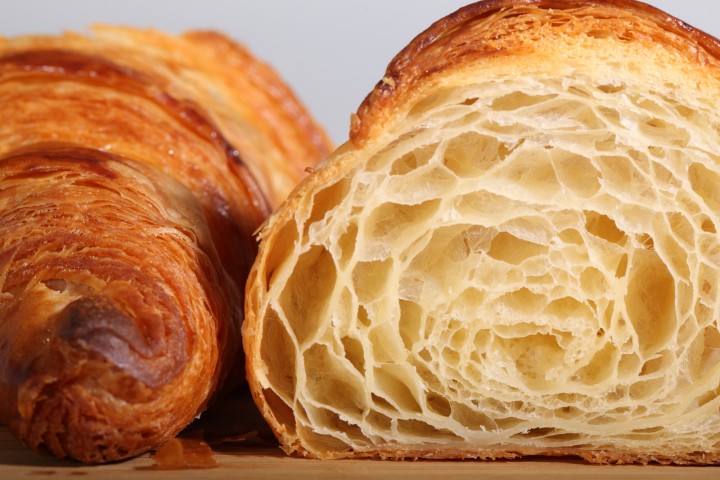
France takes the crown for elegance in European food. It's refined, yet rooted in rustic traditions. I adore how the French treat meals as an event, with multiple courses and plenty of wine. One of my top picks is the humble croissant. Flaky, buttery, and golden, it's the perfect breakfast treat. Did you know it actually originated in Austria but was perfected in France? Biting into a fresh one, with layers that shatter and melt in your mouth, is pure joy.
Then there's bouillabaisse, that Provençal fish stew bursting with saffron, garlic, and fresh seafood. It's a dish that screams Mediterranean coast—think Marseille fishermen using their catch of the day. I tried it once by the sea, and the flavours were intense yet balanced, with a side of rouille (garlicky mayo) on crusty bread. It's not just food; it's an experience.
French cuisine shines in its use of herbs and sauces. Coq au vin, chicken braised in red wine with mushrooms and onions, is comfort food elevated. It's hearty for colder days, and the wine tenderises the meat beautifully. What I love is the attention to detail—French cooks use the best butter, cheeses like Camembert, and wines from local vineyards. For more on baking your own croissants, have a look at Weekend Bakery's guide. It's challenging but rewarding!
Crepes are another gem—thin pancakes filled with anything from Nutella to ham and cheese. Street vendors in Paris flip them with flair, and they're ideal for on-the-go snacking. French food teaches patience and appreciation, turning everyday ingredients into something extraordinary.
Spanish Vibrancy: Tapas, Paella, and Fiesta
Spain's food is all about vibrancy and sharing. I love the tapas culture—small plates meant for grazing with friends over sangria. It's social, fun, and lets you try a bit of everything. Patatas bravas, those crispy potatoes with spicy tomato sauce, are addictive, while jamón ibérico (cured ham) melts in your mouth.
Paella is the star, though. Originating from Valencia, it's a rice dish cooked in a wide pan with saffron, veggies, and proteins like rabbit, chicken, or seafood. The socarrat—that crispy bottom layer—is the best bit! I had an authentic one on a beach in Spain, with fresh prawns and mussels, and it was like sunshine on a plate.

Gazpacho, a chilled tomato soup, is refreshing in summer, made with peppers, cucumbers, and garlic. It's healthy and zingy. Spanish food uses bold spices like paprika and plenty of olive oil, reflecting the country's warm climate. For a great paella recipe, try Lancaster Cast Iron's version. It's food that brings people together, full of life and colour.
German Heartiness: Sausages, Pretzels, and Beer
Germany's cuisine is hearty and satisfying, perfect for cooler weather. I can't get enough of bratwurst—those juicy sausages grilled and served with mustard and sauerkraut. Paired with a stein of beer, it's the ultimate comfort combo. Oktoberfest vibes, anyone?

Schnitzel, breaded veal or pork cutlet, is another winner—crispy outside, tender inside, often with potato salad. It's simple but done right. German food features lots of potatoes, cabbages, and meats, like sauerbraten (pot roast). Pretzels, soft and salty, are great snacks. I love how it's unpretentious; it's about filling you up with good, honest flavours. For homemade bratwurst tips, see this LA Times article.
Greek Freshness: Salads, Souvlaki, and Mediterranean Magic
Greek food is fresh, healthy, and full of sunshine. The classic Greek salad—tomatoes, cucumbers, olives, feta, and oregano dressed in olive oil—is simplicity at its best. It's light yet flavourful, perfect for hot days.
:max_bytes(150000):strip_icc()/Simply-Recipes-Easy-Greek-Salad-LEAD-2-4601eff771fd4de38f9722e8cafc897a.jpg)
Moussaka, layers of aubergine, minced meat, and béchamel, is hearty and comforting. Souvlaki—grilled meat skewers with tzatziki—is street food heaven. Greek cuisine uses herbs like dill and mint, with yoghurt and lemon adding zing. It's balanced and nutritious. Try making a simple Greek salad from Simply Recipes.
British Comfort: Fish and Chips, Pies, and Roasts
As a Brit, I have to champion our food. Fish and chips—battered cod or haddock with chunky chips, doused in salt and vinegar—is iconic. It's crispy, flaky, and nostalgic.

Sunday roasts with Yorkshire puddings, gravy, and veggies are family staples. Pies like steak and kidney are warming. British food is comforting and no-nonsense. For more, visit Insight Vacations' list.
Eastern European Gems: Pierogi, Borscht, and More
Don't overlook Eastern Europe. Polish pierogi—dumplings filled with potato, cheese, or meat—are versatile and delicious. Borscht, beet soup, is earthy and vibrant. These dishes are hearty, using root veggies and fermented foods for depth.
Why Traditional European Food is Good for You
Many dishes use fresh, seasonal ingredients, making them nutritious. Mediterranean ones are heart-healthy with olive oil and fish. It's about balance—veggies, proteins, and grains.
Cultural Connections and Memories
Food ties to culture—festivals, family gatherings. It's about heritage and creating memories.
Wrapping Up: My Love Affair with European Food
Traditional European food captivates with its diversity, flavours, and stories. From Italian pasta to British pies, it's endlessly appealing. Next time you're in Europe, dive in!
What's your favourite European dish? Share in the comments—I'd love to hear! If you enjoyed this, subscribe for more food adventures. Happy eating!
Comments
Post a Comment