Vital Nutrition: 5 Transformative Food Habits for Women After 50
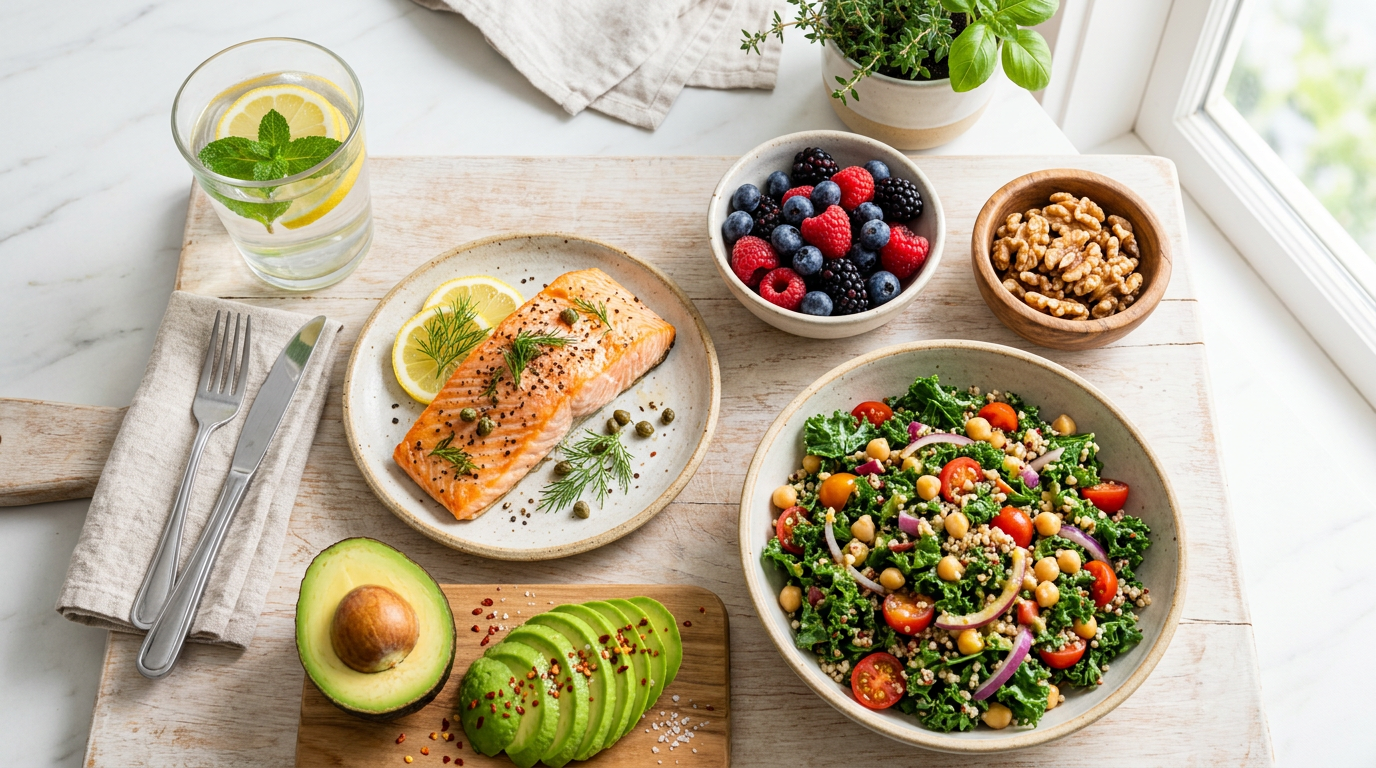
As women cross the threshold of 50, the physiological landscape of the body undergoes a profound shift, primarily driven by the transition into postmenopause. This decade is often marked by a significant deceleration in metabolic rate, changes in hormone-regulated fat distribution, and an increased requirement for specific micronutrients to protect bone density and cardiovascular health. Adapting your dietary patterns is not merely about weight management; it is a strategic investment in long-term mobility, cognitive clarity, and disease prevention. For many women, the traditional "calories in, calories out" model no longer suffices, as the body’s ability to process glucose and repair muscle tissue changes. By adopting targeted food habits, women over 50 can mitigate the risk of chronic conditions like osteoporosis and heart disease while maintaining the high energy levels necessary for a vibrant life.
One of the most critical adjustments during this life stage is the prioritization of high-quality protein at every meal. Sarcopenia, or the age-related loss of muscle mass, tends to accelerate after the age of 50. Muscle is metabolically active tissue, meaning its maintenance is essential for keeping the resting metabolic rate high. Research suggests that older adults may require more protein per kilogram of body weight than younger individuals to stimulate muscle protein synthesis effectively. Aiming for 25 to 30 grams of protein per meal from diverse sources—such as wild-caught fish, organic poultry, legumes, and fermented dairy—can provide the necessary amino acids. Furthermore, protein plays a vital role in satiety, helping to stabilize blood sugar levels and prevent the "mid-afternoon slump" that many women experience as their insulin sensitivity fluctuates.
Strengthening the Foundation: Bone-Building and Anti-Inflammatory Habits
The fourth and fifth decades of a woman's life are the most definitive for skeletal integrity. During the first few years after menopause, bone loss can occur at a staggering rate of up to 3% to 5% annually. Therefore, a non-negotiable food habit for women over 50 is the consistent intake of calcium-rich and Vitamin D-fortified foods. While dairy is a well-known source, many women find that their tolerance for lactose decreases with age. Incorporating plant-based calcium sources like sardines (with bones), fortified almond milk, kale, and chia seeds can ensure that the body has the raw materials needed for bone remodeling. It is equally important to pair these foods with Vitamin K2 and magnesium, which act as "traffic controllers," ensuring that calcium is deposited into the bones rather than the arterial walls.
Hydration and electrolyte balance also take on a new level of importance. As we age, the sensation of thirst often diminishes, leading many women to live in a state of chronic sub-clinical dehydration. This can exacerbate symptoms of menopause, such as dry skin, vaginal dryness, and headaches. Water is essential for every metabolic process, including the transport of nutrients into cells and the removal of waste products. For women over 50, integrating "eating your water" through high-moisture foods like cucumbers, celery, and citrus fruits can supplement fluid intake. Furthermore, ensuring adequate potassium and magnesium intake through leafy greens and avocados helps regulate blood pressure and muscle function, providing a comprehensive shield for the cardiovascular system.
Frequently Asked Questions and Final Thoughts
FAQs on Nutrition for Women Over 50
Q: Is it necessary to take a calcium supplement if I eat dairy? A: Not necessarily. It is always better to get nutrients from whole foods first. If you consume three servings of calcium-rich foods daily (like yogurt, leafy greens, or sardines), you may meet your 1,200 mg requirement. However, consult your doctor, as Vitamin D is often needed for calcium absorption, and many women over 50 are deficient in D.
Q: Why do I gain weight in my stomach even when I eat the same as I did at 40? A: This is largely due to the "estrogen drop." Low estrogen shifts fat storage from the hips and thighs to the abdomen (visceral fat). Additionally, your metabolism naturally slows as muscle mass decreases. Increasing resistance training and protein intake can help counteract this shift.
Q: Can certain foods help with hot flashes? A: Some women find relief by consuming phytoestrogens found in soy (tofu, edamame) and flaxseeds, which can weakly mimic estrogen in the body. Reducing triggers like caffeine, alcohol, and spicy foods is also highly effective for many.
Q: How much water should I really be drinking? A: A general rule is half your body weight in ounces, but for women over 50, it's more about consistency. Carry a water bottle and aim for pale yellow urine. Remember that herbal teas and watery vegetables count toward your total.
Q: Is the Mediterranean diet really the best for women over 50? A: It is widely considered the gold standard because it emphasizes healthy fats, lean proteins, and high-fiber plants—all of which target the specific heart, bone, and metabolic risks that increase after 50.
Final Thoughts on Midlife Wellness
Reference List
National Institute on Aging (NIA). "Dietary Supplements for Older Adults." Available at: www.nia.nih.gov/health/dietary-supplements-ol...
PubMed - NCBI. "Protein requirements and muscle mass in postmenopausal women." Available at: https://pubmed.ncbi.nlm.nih.gov/41406899/
American Heart Association. "Fiber and Heart Health in Women." Available at: www.heart.org/en/healthy-living/healthy-eat...
National Osteoporosis Foundation. "Calcium and Vitamin D Requirements." Available at: www.bonehealthandosteoporosis.org/patients/treatment/calciumvit...
Harvard Health. "Antioxidants and Anti-inflammatory Foods for Longevity." Available at: www.health.harvard.edu/staying-healthy/foods-that-fi...
Mayo Clinic. "Hydration: Why it matters more as you age." Available at: www.mayoclinic.org/healthy-lifestyle/nutrition-a...
EatRight.org. "Nutrition for Women Over 50." Available at: www.eatright.org/health/wellness/healthy-aging...
Comments
Post a Comment